Is Downtown Austin Walkability Right for Car-Light Living?
July 2, 2026
July 2, 2026
If you want the energy of city living without relying on your car for every errand, Downtown Austin deserves a closer look. For many buyers and renters, the goal is not giving up a car completely. It is creating a daily routine that feels easier, more flexible, and more connected to the city around you. This guide walks you through what car-light living in Downtown Austin can actually look like and what to prioritize if you are searching for the right home. Let’s dive in.
Downtown Austin is especially well suited to car-light living because the city has planned it as a dense, pedestrian-friendly urban core. That matters in day-to-day life because it supports shorter trips on foot, by bike, by scooter, or by transit.
One of the biggest lifestyle advantages is the Ann and Roy Butler Hike-and-Bike Trail. It is a 10-mile loop in the heart of Austin, draws more than 2.6 million visits each year, and the city describes it as an alternative transportation route for the urban core. For many residents, that means recreation and practical mobility can overlap in a way that feels natural.
Austin’s urban-trails and bikeway programs also support car-light routines. The city emphasizes protected lanes, separated paths, lighting, signals, and key travel corridors, which can make short trips feel more manageable and more comfortable.
If you are thinking about living downtown with less car dependence, walking and biking often shape your daily experience more than parking does. The city’s downtown bike map is a useful planning tool because it marks sidewalks, trails, MetroRail stops, secure bike parking, bike shops, and route comfort levels.
It also gives simple time estimates that help put distance into perspective: about 20 minutes per mile on foot and about 6 minutes per mile by bike. When you look at homes through that lens, a building near a lower-stress bike corridor or trail connection may offer more everyday value than one with extra parking.
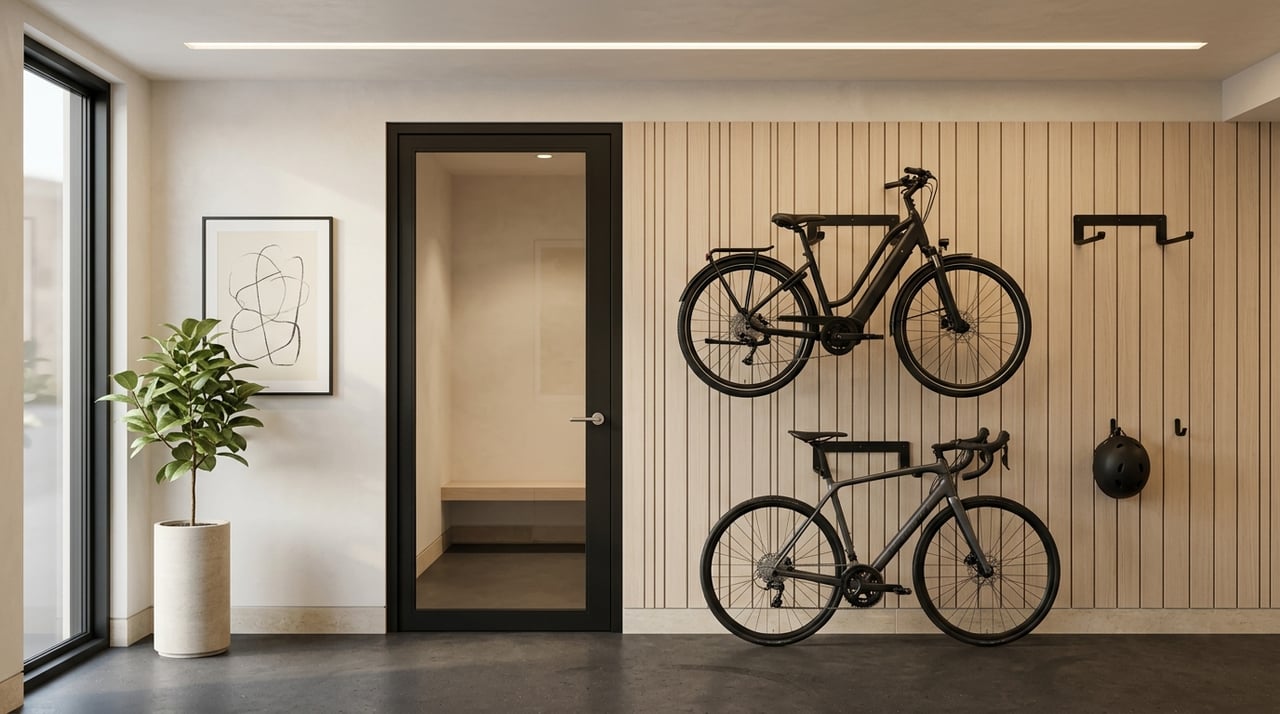
For regular riders, secure bike storage is a practical feature to take seriously. The city specifically recommends choosing a secure facility for extended parking, so indoor bike rooms, lockers, or controlled-access storage can make a real difference.
Downtown’s trail access is not just a weekend perk. It can be part of your everyday movement pattern, especially if you like to combine exercise, errands, and commuting into the same rhythm.
The city also identifies the 32-mile Red Line Trail, which is planned to follow CapMetro’s Red Line from downtown to Leander. That broader trail network reinforces Downtown Austin’s role as a strong base for people who want flexible mobility options beyond driving.
Shared scooters can help with short trips, especially when you are connecting between destinations downtown. Austin allows micromobility devices such as shared scooters on sidewalks when they are used safely and respectfully.
There are important rules to keep in mind. Riders must yield to pedestrians, only one person may ride per device, and parked scooters must leave at least 3 feet of sidewalk clear. The city also notes that scooters are not allowed in some park and trail areas, and they should stay in the public right-of-way rather than private property or bridges, creeks, and rivers.
Scooters can be helpful, but they are usually best viewed as a backup or gap-filler rather than the foundation of a car-light routine.
CapMetro gives downtown residents a strong mix of transit options. Rapid routes 801 and 803 both serve downtown, and CapMetro advertises Rapid service as arriving every 10 to 15 minutes.
Route 837 also connects downtown with east-side destinations and UT. For rail access, the Red Line runs from downtown to Leander with 10 stations along the route, which can add useful regional reach if your routine takes you beyond the urban core.
Late-night flexibility is another advantage. CapMetro says Red Line service runs between downtown and Leander until after midnight on Friday and Saturday, with the last departure from downtown around 12:15 a.m., and Night Owl buses run from midnight to 3 a.m. from popular late-night destinations, including 6th Street and neighborhood routes.
One of the best parts of car-light living downtown is that you do not have to choose just one way to get around. You can walk one day, bike the next, and use transit when the weather, schedule, or distance calls for it.
CapMetro says its buses connect to Rail, Bikeshare, and Park & Ride locations, and trains have bike racks. That makes mixed-mode trips realistic for many residents, especially if you like the idea of biking part of the way and finishing the trip by bus or rail.
There is one current caveat worth noting. CapMetro Bikeshare is temporarily unavailable due to a service disruption that began on May 24, 2026, so it should not be treated as a dependable daily mobility option right now.
If your goal is car-light living, the most important features may be different from a traditional home search. In Downtown Austin, mobility amenities can matter more than the total number of parking spaces.
Within the CBD and Downtown Mixed Use districts, off-street motor vehicle parking is not required except for accessible parking requirements. That means parking may be optional rather than guaranteed, depending on the building and property.
Because of that, it helps to evaluate each home with lifestyle questions in mind. A polished condo with strong access to trails, protected bike routes, and transit may fit your needs better than a building that simply offers more parking.
If you expect to ride regularly, ask whether the building has indoor bike storage, a secure bike room, lockers, or controlled-access areas. Long-term convenience often depends on whether your bike feels easy and safe to store.
Look closely at how the property connects to calmer bike corridors, sidewalks, and trail entrances. A location that looks central on a map may still feel less practical if the route out of the building is stressful or indirect.
It is worth checking how far the property is from Rapid or Rail service. Easy access to Rapid 801, 803, or the Red Line can make a noticeable difference in how often you actually use transit.
If you plan to keep a car, ask for specifics rather than assumptions. The city manages on-street parking and city-owned garages, but not private off-street lots and garages, so building-specific rules should be confirmed with the HOA, property manager, or developer.
A few practical questions include:
If you will still keep a car and want an electric vehicle setup, EV-ready parking is worth asking about early. Austin Development Services publishes EV Readiness Guides, and the city says EV charger installations require permits.
In condos and townhomes, that can be especially important where garage spaces are limited or shared. A parking space may exist, but that does not always mean charger installation will be simple.
Often, yes. If you are comfortable combining walking, biking, scooters, and transit, Downtown Austin can support a car-light lifestyle very well.
That said, the right fit depends on your routines. If you work irregular hours, travel frequently outside central Austin, or need dependable access to destinations beyond the transit and trail network, you may still want to keep a car while reducing how often you use it.
For many people, that is the sweet spot. Car-light living is less about strict rules and more about creating a home base that gives you more options.
In a market like Downtown Austin, the best home is not always the one with the longest amenity list. It is the one that supports how you want to live day to day.
If your ideal week includes walking to dinner, biking along the trail, using Rapid for routine trips, and saving your car for occasional outings, your search should reflect that from the beginning. Looking at location, storage, route comfort, and transit access together can help you choose a home that feels polished, practical, and aligned with your routine.
If you want thoughtful guidance as you explore Downtown Austin condos and lifestyle-focused neighborhoods, Morgan Malin is here to help you find the right fit.


From pricing strategy to closing day, Morgan brings local expertise and white-glove service to every transaction. Let's find your next home.