How To Prepare Your Downtown Austin Condo To Sell
June 18, 2026
June 18, 2026
If you are getting ready to sell your Downtown Austin condo, you are not just listing square footage. You are presenting a lifestyle, a view, and a daily experience in one of Austin’s most dynamic urban settings. With the right preparation, you can help buyers see the space clearly, understand the building details, and feel confident about taking the next step. Let’s dive in.
Downtown condo buyers often respond to light, clarity, and a sense of space. That matters even more when buyers are comparing units with similar layouts and square footage. Small details that make your home feel open and polished can shape both first impressions and online interest.
According to the National Association of Realtors’ 2025 Profile of Home Staging, 83% of buyers’ agents said staging made it easier for buyers to visualize a home as their future home. The same report found that photos were highly important to 73% of buyers’ agents and 88% of sellers’ agents. For a Downtown Austin condo, that means your preparation should support both in-person showings and strong visual marketing.
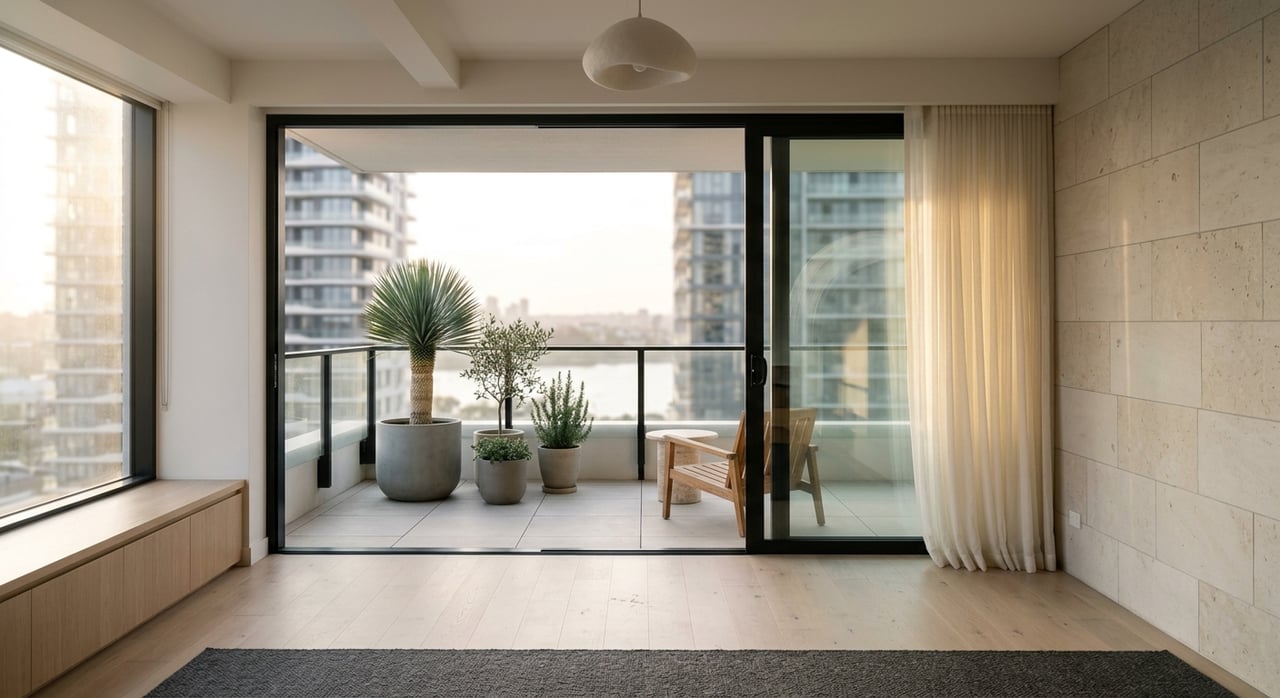
In a downtown setting, your windows, balcony, and main living area are part of the property’s story. Buyers are often drawn to skyline sightlines, natural light, and how the home connects to the city outside. Clean windows, lighter window treatments, and a tidy balcony can make the unit feel brighter and more inviting.
Heavy or dated drapes can work against that goal. Seller guidance from the National Association of Realtors notes that buyers tend to prefer light and views over dark, bulky coverings. If your condo has a strong view, make sure it is easy to see from the moment someone walks in.
Decluttering is one of the most effective ways to prepare a condo for sale. In a smaller footprint, extra furniture, crowded shelves, and too many personal items can make the home feel tighter than it is. A cleaner visual field helps buyers focus on the layout, storage, and natural features instead of your belongings.
Pre-listing seller guidance recommends storing away clutter, simplifying surfaces, and keeping closets only half full. That advice is especially useful in Downtown Austin condos, where buyers often pay close attention to storage and everyday functionality. If a closet, entry nook, or kitchen counter looks overstuffed, the space can feel less efficient.
Not every room needs the same level of attention. The 2025 staging data from the National Association of Realtors identified the living room, primary bedroom, and kitchen as the most important rooms to stage. If you are deciding where to spend your time and budget, start there.
In the living room, aim for an open layout and a clean line of sight to windows or the balcony. In the primary bedroom, keep the look calm and simple so the room feels restful and spacious. In the kitchen, clear off counters, remove extra appliances, and highlight workspace rather than decor.
Before listing, focus on updates that help the condo look cleaner and more current in person and in photos. Fresh paint, simple touch-ups, and neat kitchen and bath finishes can go a long way. These changes often improve presentation without turning into a major renovation.
Seller prep guidance from the National Association of Realtors points to cosmetic repairs, cleaning, decluttering, and removing personal items as useful steps before going to market. In a condo building where buyers may compare several units in the same area or even the same building, these simple improvements can help your property stand out.
These are not dramatic changes, but they can create a more polished overall impression.
If you are considering work beyond cosmetic updates, pause before starting. The City of Austin says an interior remodel permit is required when a project changes structural components or involves new or relocated plumbing fixtures. Austin Development Services also directs owners to confirm whether a project needs a permit before moving forward.
That means larger remodel plans should be reviewed carefully before listing. If your goal is to sell soon, it may be smarter to complete only the work that improves presentation unless you have already confirmed what the project requires.
Condo sales involve more than the unit itself. Buyers are also reviewing the shared ownership structure, monthly fees, rules, and building operations. Gathering your HOA or condo association documents early can help avoid delays once a buyer is interested.
Under Texas Property Code Chapter 82, if a purchaser has not received the declaration, bylaws, association rules, and resale certificate before contract, the purchaser may have a cancellation right after receiving them. For that reason alone, it is wise to start collecting the document packet well before your condo goes live.
The National Association of Realtors also advises that the official HOA documents should come from the association or management company, not from the seller informally.
Downtown condo buyers often ask questions that go beyond the interior finishes. They may want to understand parking, guest access, amenity rules, and how day-to-day logistics work in the building. Clear answers can help your listing feel more complete and better organized.
Common HOA rules often address parking restrictions, visitor policies, common-area use, hours of operation, and amenity access. Before listing, it helps to confirm how showings will be handled, where guests can park, whether elevator reservations are needed, and how any lobby access works. If your condo includes a parking space or the building offers features like a pool, fitness center, or security services, those details may also support the marketing story when they are genuine building amenities.
A pre-sale inspection is not required, but it can be a practical move. Seller guidance from the National Association of Realtors notes that a pre-list inspection can identify issues in areas such as plumbing, electrical systems, HVAC, interiors, and ventilation before buyers discover them. That can give you time to decide whether to repair the issue or be prepared to disclose it.
In some cases, this step can also reduce last-minute surprises that affect negotiations or delay closing. For condo sellers who want a smoother process, early information can be valuable.
Photography should happen only after the condo is fully ready. Since photos play such a large role in buyer interest, the timing matters. If the unit is still cluttered or mid-project, the listing may miss its best chance to make a strong first impression.
A practical sequence is to declutter first, complete easy cosmetic work, gather HOA documents, schedule any needed inspection, confirm permit questions with Austin Development Services if larger work is involved, and then photograph the home once everything is presentation-ready. For a Downtown Austin condo, that usually includes the interior, balcony, parking space, and amenity access points.
When you sell a condo downtown, buyers are evaluating more than finishes and floor plan. They are also weighing the view, natural light, building rules, parking setup, and shared amenities. The strongest listings usually present all of those pieces clearly and in an organized way.
That is why good preparation is about more than tidying up. It is about helping buyers understand the full value of what you are offering while reducing avoidable friction during the transaction.
If you are preparing to sell your Downtown Austin condo and want polished guidance from start to finish, Morgan Malin can help you create a smart plan for prep, presentation, and next steps.



From pricing strategy to closing day, Morgan brings local expertise and white-glove service to every transaction. Let's find your next home.