What It’s Like To Live In Downtown Austin
May 21, 2026
May 21, 2026
If you want a home where coffee, concerts, trails, skyline views, and daily errands can all fit into the same few blocks, Downtown Austin may feel like the center of it all. At the same time, urban living comes with tradeoffs, and it helps to know what day-to-day life actually looks like before you make a move. This guide will walk you through the pace, housing, transportation, outdoor access, and lifestyle of living in Downtown Austin so you can decide whether it fits the way you want to live. Let’s dive in.
Downtown Austin is the city’s urban core and its largest employment center. According to the Downtown Austin Alliance, the area includes about 15,330 residents, 131,833 employees, more than 12,700 residential units, 150+ acres of parkland, 15 miles of downtown-area trails, 150+ public art installations, and 190 historic locations.
That mix shapes the overall feel of the neighborhood. Downtown is not just a place where people live. It is also where people work, gather, attend events, visit cultural institutions, and move through the city every day.
If you live here, you are choosing an active, mixed-use environment. Offices, hotels, restaurants, civic buildings, parks, and entertainment districts all sit close together, which creates energy and convenience throughout the week.
Living in Downtown Austin often means your days feel connected to the city around you. You might start with a walk along Lady Bird Lake, grab coffee near your building, work nearby or commute by transit, and meet friends for dinner or live music without needing to drive far.
This is one of the biggest draws of downtown living. Many of the things people want access to, including dining, events, trails, public art, and major employers, are close together.
It also means the area stays active. Depending on where you live, you may notice commuter traffic, event crowds, street activity, and ongoing construction as part of normal life in the urban core.
The Downtown Austin Alliance also provides direct services in the district year-round, including ambassadors who help with cleaning, directions, and safety escorts. That support adds to the day-to-day experience of living in a busy city center.
If you are thinking about living downtown, it helps to picture a housing market shaped more by buildings than by blocks of detached homes. The city’s Downtown Austin Plan calls for dense, livable development, a multi-modal transportation system, and a wide range of housing choices.
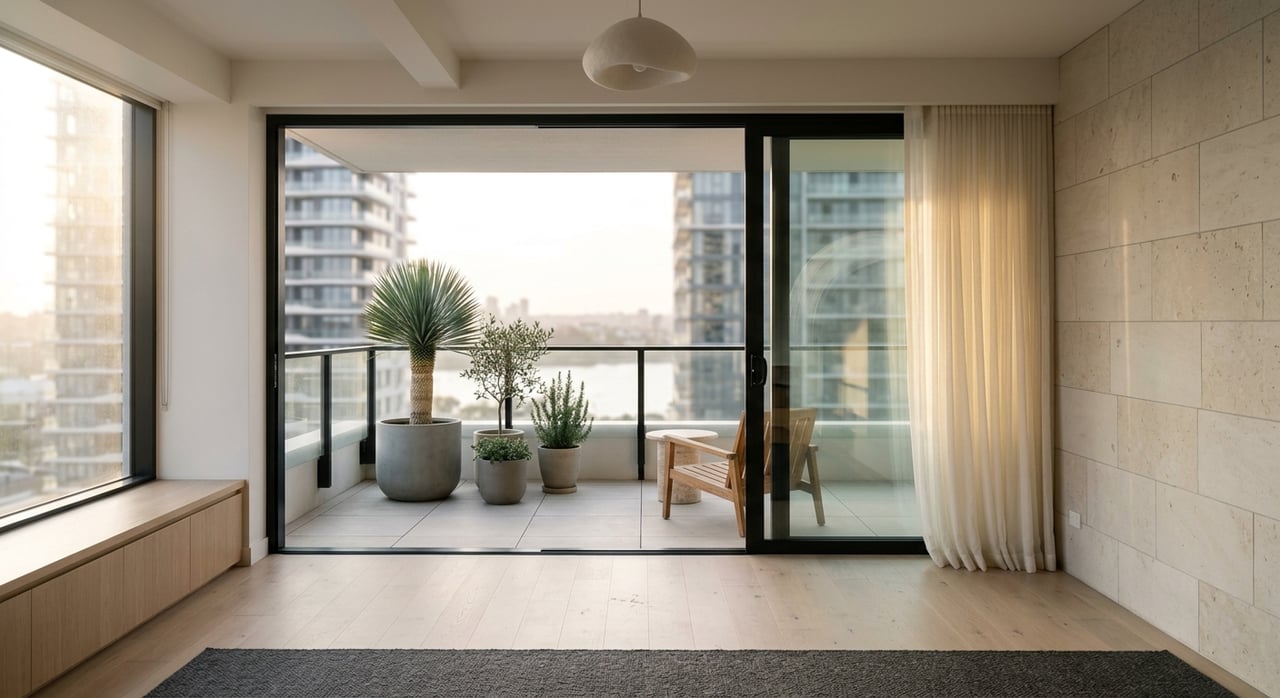
In practice, downtown living is usually centered on condos, apartments, and other vertical housing. For many buyers, that means trading yard space for convenience, building amenities, lock-and-leave ease, and views.
Downtown can fairly be considered one of Austin’s premium housing areas. That comes from its central location, amenity-rich housing stock, and strong demand for walkable urban living.
Current inventory trends also show continued growth. The Downtown Austin Alliance reported that the condo market added 550 units since 2024, a 14% increase in inventory, and residential projects under construction are expected to add more than 2,600 units.
For the right buyer, condo living downtown can simplify daily life. Instead of maintaining a large property, you can focus on location, access, and how your home supports your routine.
Common lifestyle advantages include:
Downtown living works best when your priorities match the environment. If you want extra square footage, a private yard, or a quieter car-centered routine, the tradeoffs may feel more noticeable.
Before you buy or lease, think about how often you want to walk places, how you feel about shared-building living, and whether you want your home to be close to nightlife and events. Lifestyle fit matters as much as the floor plan.
One of downtown’s strongest advantages is that you do not have to rely as heavily on a car for every trip. CapMetro notes that the Red Line runs from downtown to Leander with 10 stations, and Downtown Station at 4th and Neches connects to bus service, Bikeshare, electric scooters, and Austin’s bicycle trails.
The Downtown Austin Alliance also highlights bus, rail, rideshare, Park ATX, MetroBike, and scooters as key mobility options in the district. In its 2024-25 report, DAA shared that downtown sees 2.8 million annual transit rides, which reflects how transit-oriented the urban core has become.
For residents, that can mean more flexibility in how you move through the week. You may walk to dinner, bike to a trail, take transit to work, or use rideshare for evenings out.
At the same time, downtown transportation is not always effortless. Parking can be a real consideration, and construction or street closures may affect your usual route.
The Downtown Austin Alliance notes that affordable parking can be a barrier for many employees and regularly shares parking tools, closures, and construction updates. If you plan to live downtown, it is smart to think beyond just the home and consider your daily transportation habits too.
For many people, the most surprising part of downtown living is how easy it is to get outside. Lady Bird Lake and the Ann and Roy Butler Hike-and-Bike Trail are central to the experience.
Austin Parks describes the trail as a 10-mile route along the water’s edge that also serves as an alternative transportation route for the urban core. It receives more than 2.6 million visits a year, which shows just how important it is to daily life in this part of the city.
If you live downtown, you can often reach walking, running, cycling, kayaking, and paddleboarding in just minutes. That kind of access is a major reason many buyers are drawn to the area.
Downtown also includes more green space than many people expect. According to DAA, the area has more than 150 acres of parkland and 15 miles of downtown-area trails, and Waterloo Greenway adds a 1.5-mile park system along downtown’s eastern edge connecting 15th Street to Lady Bird Lake.
Downtown Austin is not defined by a single main street. Instead, it includes several close-in districts with different personalities and experiences.
Visit Austin highlights areas such as the 2nd Street District, Red River Cultural District, Historic Sixth Street, Warehouse District, West Sixth Street, and Rainey Street. One practical advantage of living downtown is that you can move between several of these areas on foot in a relatively short amount of time.
That variety gives downtown a layered feel. Some parts lean more toward dining, some toward nightlife, and some toward arts, entertainment, or civic landmarks.
Cultural destinations in and around downtown include ACL Live at the Moody Theater, Mohawk, Stubb’s, The Contemporary Austin - Jones Center, Mexic-Arte Museum, the Paramount Theatre, the Texas State Capitol, and the Bullock Texas State History Museum. The Downtown Austin Alliance also notes that Red River has Austin’s single largest concentration of live music venues.
For buyers who value experiences close to home, this can be a major draw. You are not just choosing a residence. You are choosing easy access to the rhythm of the city.
Downtown Austin tends to be a strong fit for people who want walkability, transit access, close-in dining, outdoor recreation, and a low-maintenance home base. It can be especially appealing if your routine includes working nearby, traveling often, or wanting more convenience than space.
It may also suit buyers who want a lock-and-leave condo lifestyle with a polished, urban feel. For some, that means a home that supports a busy schedule and puts more of Austin within reach on foot.
On the other hand, downtown may be less ideal if your top priorities are a large yard, a quieter setting, or a more car-dependent routine. Event traffic, parking constraints, and redevelopment are real parts of living in the city center.
Before making a move, it helps to ask a few simple questions about how you want your home to function. Downtown can be an excellent fit, but it works best when your expectations match the neighborhood.
Consider these points:
If your answers lean toward access, energy, and convenience, downtown may feel like home. If you want more separation, more private outdoor space, or a slower pace, another Austin neighborhood may align better.
Downtown Austin offers a lifestyle that is hard to replicate elsewhere in the city. It brings together skyline living, trail access, transit options, dining, live music, and cultural destinations in one compact area. For the right buyer, that combination can make everyday life feel easier, more connected, and more engaging.
If you are weighing whether Downtown Austin fits your lifestyle, Morgan Malin offers thoughtful, hands-on guidance to help you explore Austin condo living with clarity and confidence.

From pricing strategy to closing day, Morgan brings local expertise and white-glove service to every transaction. Let's find your next home.