
Downtown Austin Housing Market Trends for Buyers & Sellers
June 25, 2026
June 25, 2026
If you are trying to make sense of the Downtown Austin market right now, you are not alone. Buyers want to know whether they have room to negotiate, and sellers want to know how to stand out without leaving money on the table. The good news is that the numbers tell a useful story, especially when you read them through a downtown lens instead of treating this area like the rest of Austin. Let’s dive in.
Downtown Austin is not a typical single-family market. It is a condo-heavy, mixed-use area with 14,164 residential units, 13,976 residents, and 131,775 employees, according to the Downtown Austin Alliance 2025 to 2026 annual report.
That matters because downtown pricing is often shaped by building-level details. Buyers are comparing HOA costs, parking, views, amenities, condition, and even nearby construction, not just the neighborhood as a whole.
The supply story is also important. The Downtown Austin Alliance reports 2.94 million square feet under construction and 8.22 million square feet planned, and its 2026 State of Downtown report says the condo market added 550 units since 2024, a 14% increase in inventory.
For you, that means one simple thing: downtown decisions usually require a more detailed read of the market. A broad Austin headline rarely tells the full story of what is happening in a specific tower or on a specific block.
Inventory tells you how much competition exists between listings. In plain terms, more active listings usually means buyers have more options and sellers need to work harder to win attention.
In May 2026, Unlock MLS reported 4.4 months of inventory for the City of Austin and 4.8 months for Travis County. Earlier in the year, those numbers were higher, with Austin at 6.2 months in February and Travis County at 6.6 months.
That shift suggests spring demand absorbed some of the available supply. Even so, downtown still appears to offer meaningful choice, especially in the condo segment.
Downtown-specific figures support that point. The Downtown Austin Alliance reports 550 added condo units since 2024, and Redfin currently shows 252 condos for sale in Downtown Austin.
For buyers, this can create breathing room. For sellers, it means you are not just listing a home, you are entering a side-by-side comparison with nearby units that may look very similar on paper.
One of the clearest signs of market conditions is how long listings take to sell. Redfin’s current Downtown Austin snapshot, covering the three months ending May 2026, shows a median sale price of $559,312, 83 homes sold, and a median of 106 days on market.
Redfin also labels Downtown Austin as not very competitive. That does not mean homes are not selling. It means buyers usually have more time to evaluate options and negotiate.
Historical context helps here too. The Downtown Austin Alliance’s 2025 State of Downtown reported that downtown condos averaged 123 days on market in 2024, which it described as a shift toward a buyer’s market.
The key takeaway is not that every slower listing has a problem. Often, a longer market time simply reflects a market where buyers are comparing carefully and moving with less urgency.
Downtown Austin’s current pricing data points to real negotiation room. Redfin reports a 94.7% sale-to-list price ratio, and 35.3% of homes had price drops.
That combination usually signals two things. First, buyers should not assume the list price is the final number. Second, sellers need to be thoughtful from day one, because overpricing can lead to reductions that weaken momentum.
Broader local data supports that interpretation. Unlock MLS reported the City of Austin’s average close-to-list ratio improved from 93.8% in March 2026 to 95.2% in May 2026, while Travis County improved from 91.9% to 94.8% over the same period.
So while negotiation is still part of the picture, the spring market did show stronger buyer engagement. That is useful for both sides because it suggests timing and pricing strategy still matter, even in a market with more choice.
If you are buying downtown, this is a market that rewards patience and comparison. More inventory and longer days on market can give you time to look closely at the details that affect value over time.
That means comparing more than just square footage and finishes. In Downtown Austin, the real comparison often includes:
It is also smart to look beyond the asking price. With a meaningful share of listings taking price drops, recent sold comps can tell you more than the initial list number, especially if several similar units are competing in the same tower.
If a listing has been sitting longer than the downtown norm, do not assume the whole area is weak. The issue may be price, building competition, or a mismatch between the unit’s features and current buyer demand.
If you are selling downtown, the first price matters more than many owners expect. In a market with more inventory and a slower pace, buyers tend to notice when a home starts too high and lingers.
That does not mean you should underprice your property. It means your strategy should reflect the actual alternatives buyers are seeing that week, especially in your building and nearby towers.
Preparation also plays a bigger role in a market like this. When buyers have time to compare, small differences in presentation, condition, and perceived value can shape whether your listing gets a showing, an offer, or a pass.
For condo sellers in particular, your most relevant competition may not be all of Downtown Austin. It may be the similar floor plan in your own building, or a comparable unit one tower over with a different HOA structure, parking arrangement, or view.
Seasonality remains part of the story. Unlock MLS described February 2026 as renewed momentum heading into the spring homebuying season, March as a clear shift in buyer engagement, and May as sustained activity during the peak spring selling season.
When read together, the local data shows a clear pattern. Inventory fell from winter into spring, while close-to-list ratios improved.
That is the strongest current evidence that spring is still the most active season locally. If you are planning to buy or sell, that window can shape pricing, leverage, and buyer attention.
Downtown, however, may not follow the exact same rhythm as every other part of Austin. With a large residential base, a heavy condo mix, and ongoing development activity, downtown can stay active beyond the most obvious seasonal peaks.
Downtown market reading is not just about price and inventory. Construction can also influence how a block feels, how easy a showing is to schedule, and how buyers react in person.
The Downtown Austin Alliance reports that Congress Avenue construction began in 2026 and is expected to continue through summer 2027. Depending on the location of a listing, that may affect access, traffic flow, and day-to-day impressions during the selling period.
For buyers, this is a reminder to evaluate the immediate surroundings as carefully as the unit itself. For sellers, it reinforces the value of pricing and presentation that account for current conditions instead of relying on a broader downtown label alone.
One reason market reports can feel inconsistent is that they are not always measuring the same thing. Unlock MLS says its monthly reports are based on MLS-only data for the metro, city, and county areas, while Redfin neighborhood pages combine MLS and public-record data and often use a rolling three-month window.
That means two sources can describe the same market in slightly different ways. It does not necessarily mean one is wrong.
You should also watch the metric itself. Redfin reports median days on market for Downtown Austin, while the Downtown Austin Alliance’s 2025 State of Downtown used average days on market for condos.
Those figures are not interchangeable. If you are making a real decision as a buyer or seller, the most useful approach is to compare like with like and focus on the specific segment that matches your property goals.
Downtown Austin is offering a more nuanced market than a simple buyer’s market or seller’s market label can capture. Buyers have more selection, more time to compare, and a better chance to negotiate than they did in tighter conditions. Sellers can still succeed, but the path usually depends on smart pricing, polished presentation, and a realistic view of building-level competition.
If you are planning a move downtown, the best strategy is not to react to broad headlines. It is to understand how your exact building, block, and price point fit into the current market.
If you want thoughtful guidance on buying or selling in Austin with a polished, local perspective, connect with Morgan Malin.


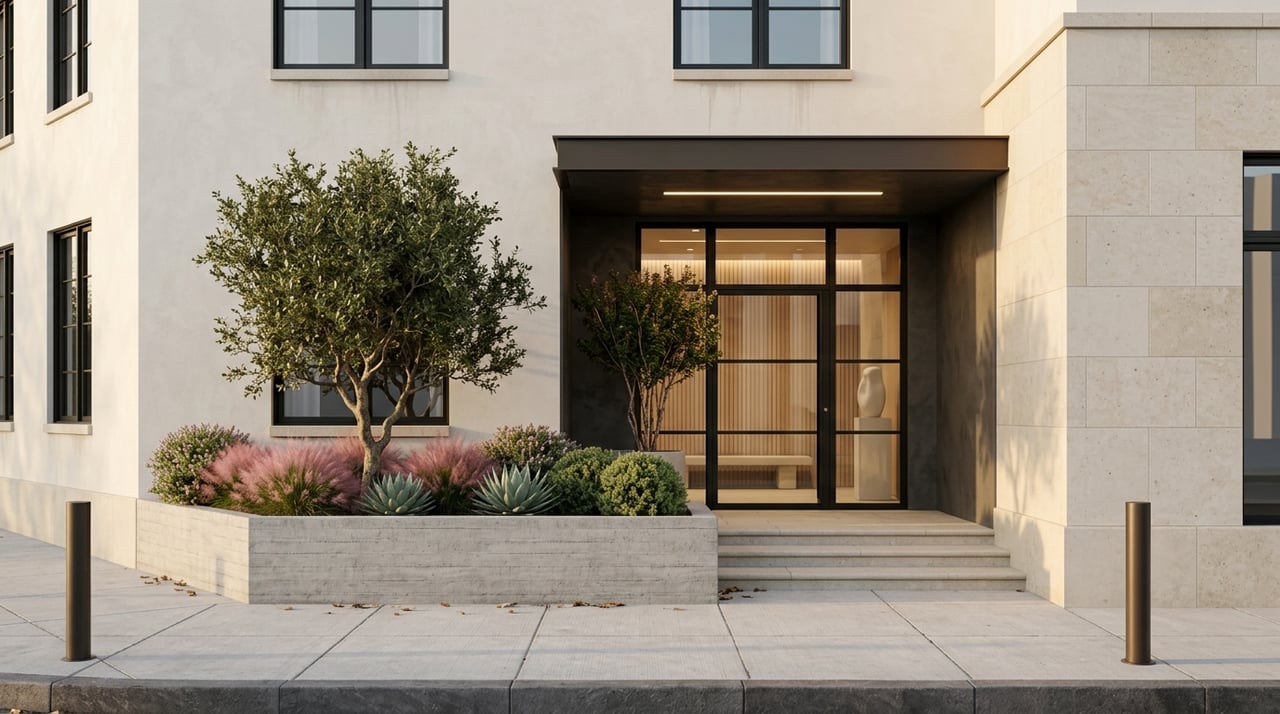
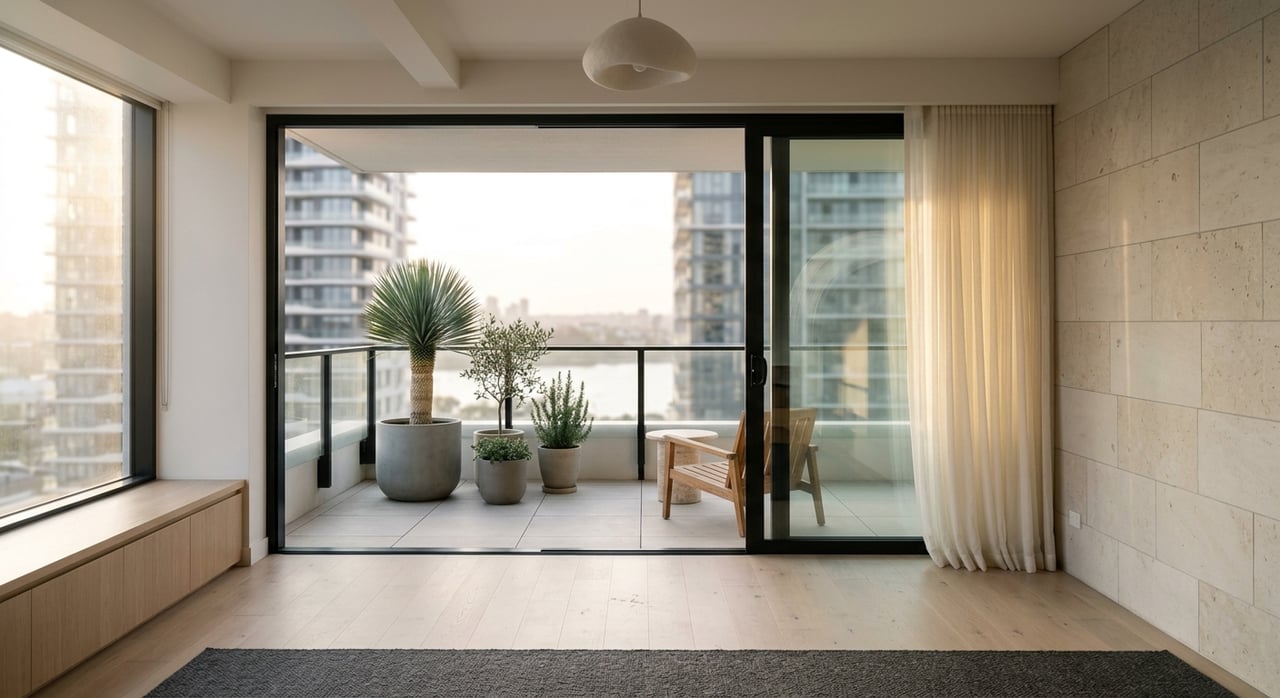
From pricing strategy to closing day, Morgan brings local expertise and white-glove service to every transaction. Let's find your next home.